

Running three venues and acting as Chair of Pub Watch in Lancaster, BII LOYA finalist from 2017, Tim Tomlinson has been rushed off his feet for the last 18 months and says that instead of a holiday, nirvana, for him, is just a really boring few weeks of pre-Covid life.
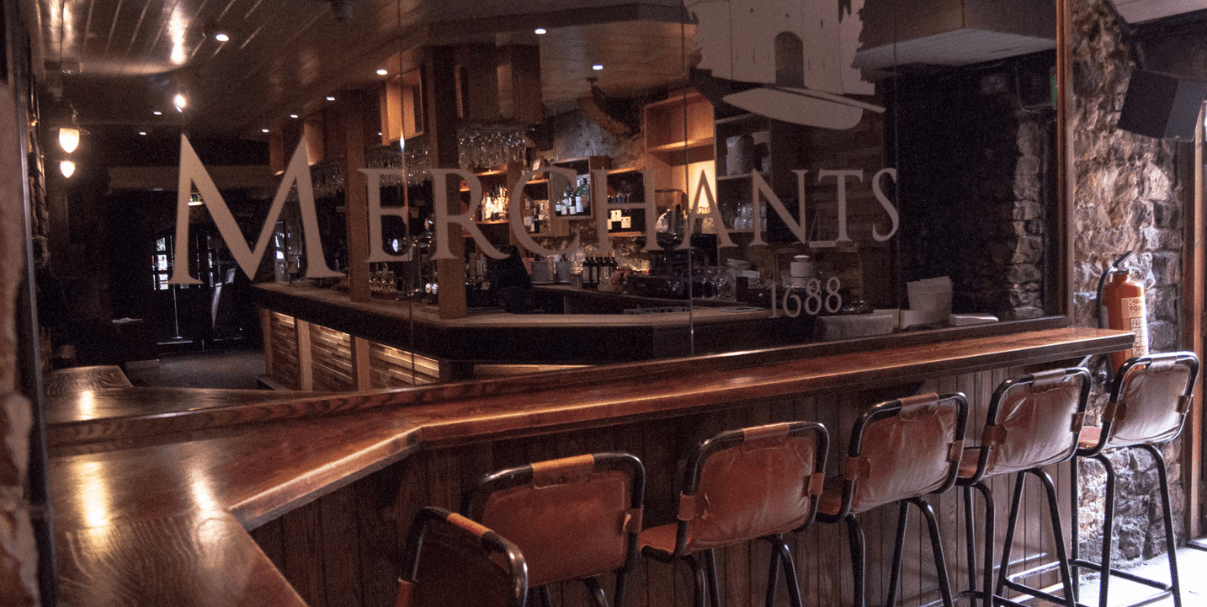
Opening his first venue in 2004 with The White Cross, Tim quickly grew his portfolio with The Merchants 1688 in 2007. Both being tied lease agreements (The White Cross with Stonegate and The Merchants currently with Greene King), Tomlinson divulges his success in growing these businesses: “From when I bought it in 2004, [The White Cross] was doing maybe £50,000 per year, we’ve got that up to £1.4 Million now.”
“A lot of that was down to us offering a really good Real Ale selection, doing good food and offering great service too… but the Real Ale was a cornerstone to that.” Nowadays, The White Cross offers 12 craft beers and 12 real ales, delivering an experience similar to offerings in big cities like nearby Manchester, which Tim puts down to going through the process of reviewing his agreement with Stonegate.
The Stonewell Tap (renamed from The Stonewell Tavern, it’s 1980s incarnation), caught Tim’s eye in 2017. He took on the venue as a freehold, for its potential to house a craft beer and real ale selection to match no other. Tim says, “The market in Real Ale offered strong growth from the early noughties to the mid-teens, but from about 2016 onwards it flattened out and I noticed it started to decline slightly. Craft beer has since been in the ascendancy, so I spotted that as a market trend and something I could differentiate myself on.” For those who prefer not to commute back after an evening of indulgence, The Stonewell also boasts an Airbnb apartment, run by Tim’s wife Lucy.
“Lucy isn’t a publican, but The Stonewell Tap is our joint business. She’s a full time social worker. But the trade has come back on the Airbnb, so that’s a nice bit of income for us when things have been difficult.”
Speaking over the phone one morning in August, Tim is keen to share the issues on the lips of everyone in our industry at the moment.
Speaking over the phone one morning in August, Tim is keen to share the issues on the lips of everyone in our industry at the moment.
“I got a call yesterday from our food and drink supplier and all of their team have been isolating, so I’ve got to drive over to their depot and pick everything up to make things work.” With the “pingdemic” causing many businesses to close, stop serving food, or operate under stressful circumstances, Tim says that what’s particularly difficult is the loss of that charitable and forgiving feeling felt during the lockdowns. “I read a review that said something like ‘they can get over using Covid as an excuse now, it’s over, everything’s normal now’. Hang on a second, you really don’t get this do you? We aren’t operating normally.” He continues, “Getting to a point where you’ve not got the capacity to deal with customers who want to buy food and drink from you is so difficult, after doing everything possible to grow your business for 15 years.”
Boosting the morale and mental health of his team, Tim says, starts with himself. “It’s important to notice if I am feeling stressed, to not try to be in denial, but to go ‘Yes, this is pretty crap actually’ and recognise that it’s okay to feel weird. “We are 20 to 30% down in sales this week but there’s no point in getting yourself more stressed about it because stress isn’t going to change that. But it does feel like 6 months’ worth of stress is all coming at once. I find talking to other people and being open about it really helps.”

Having a WhatsApp group with local business owners has been a great forum, not only to share best practice, but personal experiences too. A topic up for discussion is the notion of returning to bar service or balancing staff needed for table ordering. “If you’ve got three people behind the bar and 100 customers getting served, those customers will come over, take their drinks, some might bring their glasses back, come backwards and forwards to order more. But if you’ve got the same staff levels to serve 100 seated it takes a lot more time.
“There’s a cost implication, staff costs might rise by 30-50%, but you don’t want to alienate customers by changing price points.”
Tim’s tips for other licensees working towards a period of recovery is to find the right balance between exemplary service and not overreaching yourself. “On quiet days, you can always do more trade, but on busy days it’s important to recognise that you can’t overstretch. Typically, we try and upsell 10%, but if we overstepped ourselves and the service wasn’t there, we’d be worse off in 6 months’ time without our regular customers.”
At the moment, spend per head is up by 20-30% more each visit, with GPs on popular food items being 70% because of the continued VAT rate cut, but Tim is balancing this with the fact that staffing levels are low and pay increasing. “We’ve essentially missed two years’ worth of training. Where you might have recruited a young kitchen porter two years ago, they could be a commis or chef de partie now, but that hasn’t happened.” With a lot to balance, bringing things back to business essentials is how Tim is going to spend the next few months, so we’ll leave you with his sage words for recovery:
“It’s an old thing in business that winning a new customer costs ten times as much as keeping an old one, and it’s true. If someone comes to you every Wednesday and they have a great experience that’s good, but if they have a bad experience and never come back, it costs you a lot of money in the long term.
“It sounds a bland statement, but it’s key to our bottom line, you’ve just got to make sure the new ones also keep coming back and convert into regulars too.”
Tim tells you his BII top tips:
- “The BII’s legal support via the helpline is a big win for me, the team are always very supportive” – Call the Legal, Licensing, HR, Health and Safety, Compliance & Tax Helpline
- “The online and email communications that we get from you are always helpful, it’s great to learn and confirm the latest changes. There have been so many bits of advice and information, but the BII have been really solid and reliable, and independent.”
- “Ringing in and speaking to the Landlord & Pub Co helpline really helped me with the MRO process that helped me to work to a new agreement that meant I could start stocking the real ale and craft beer that would suit my customers”
