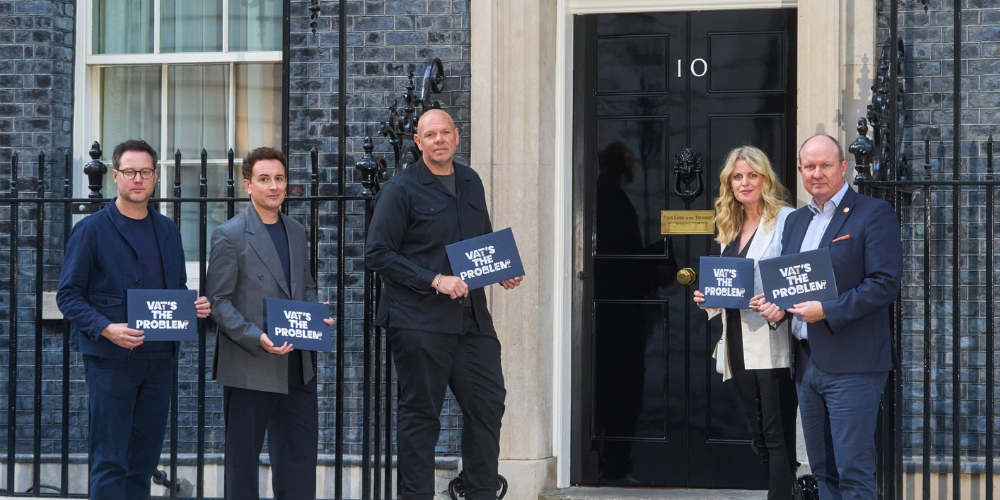
As speculation grows ahead of the upcoming Autumn Budget, there are mounting concerns across the hospitality sector that the Chancellor may be preparing to announce a substantial increase in Machine Games Duty (MGD), potentially raising the rate from its current 20% to as much as 50%.
For many publicans, this prospect is deeply worrying. Gaming machines are not merely an added attraction for customers; they are a vital and dependable revenue stream that helps sustain venues amid rising operating costs, tightening margins, and shifting consumer habits. In many cases, income from machines can make the difference between profit and loss for a struggling business.
The Impact of a Sharp Tax Increase
Most pub operators rent their gaming machines from third-party suppliers, keeping the generated revenue after tax and rental costs. Under the current 20% duty, these machines already contribute a significant portion of their profits to the Treasury. However, if the rate were to rise to 50%, half of all machine-generated income would go directly to the Government, leaving landlords with a fraction of their current return.
Most pub operators rent their gaming machines from third-party suppliers, keeping the generated revenue after tax and rental costs. Under the current 20% duty, these machines already contribute a significant portion of their profits to the Treasury. However, if the rate were to rise to 50%, half of all machine-generated income would go directly to the Government, leaving landlords with a fraction of their current return.
Such a steep increase would not only erode margins but could threaten the viability of many local pubs, particularly smaller, community-focused venues that rely on every source of supplementary income to stay afloat. In an industry already burdened by high energy bills, wage pressures, and declining footfall, the proposed rise would deal a severe blow.
Industry Response and the Need for Unity
Industry representatives are urging operators and landlords to contact their local MPs and communicate just how damaging this change could be. But while individual voices are important, this issue demands a coordinated response across the sector to ensure policymakers fully understand the consequences of such a move.
Industry representatives are urging operators and landlords to contact their local MPs and communicate just how damaging this change could be. But while individual voices are important, this issue demands a coordinated response across the sector to ensure policymakers fully understand the consequences of such a move.